



A tooth extraction gone wrong can have devastating consequences. From severe pain and infections to nerve damage and bite problems, complications can disrupt your life and leave you struggling with long-term discomfort or even permanent nerve damage. In some cases, these issues may arise due to dental negligence.
If you’ve suffered unnecessarily because of negligent dental care, you may want to know whether you are able to claim compensation. Our guide aims to answer that and any other questions you might have about dental negligence claims. You’ll learn about the eligibility criteria for starting a claim, see what compensation may cover, and find out what evidence can support a case.
You’ll also find out how you could claim on a No Win No Fee basis through one of our specialist solicitors. They have seen first-hand the trauma that dental negligence can cause and have advocated on behalf of clients nationwide, working tirelessly to secure over £80 million in compensation.
Don’t suffer in silence and let negligence go unanswered. Get in touch with our team today to explore your options and see if one of our solicitors can help you start your compensation journey.
- Call us on 03301230546
- Use the live chat feature
- Start your claim online
Frequently Asked Questions
- Can I Claim For A Tooth Extraction Gone Wrong?
- What Tooth Extraction Compensation Could Be Awarded?
- Common Ways A Tooth Extraction Error Could Happen
- The Potential Impacts Of A Failed Tooth Extraction
- How To Make A Claim After A Tooth Extraction Gone Wrong
- No Win No Fee Tooth Extraction Claims
- Frequently Asked Questions
- More Information
Can I Claim For A Tooth Extraction Gone Wrong?
You could be eligible to make a dental negligence claim if the following criteria apply:
- A dentist owed you a duty of care
- That duty was breached
- You suffered unnecessary or avoidable harm because of this breach
All dental professionals, both private and public, owe their patients a duty of care. This means that the treatment you receive must meet the correct and expected standard of care.
If a dentist or other professional fails to uphold their duty, and as a result, you suffer avoidable harm, there may be grounds to make a claim. For example, you may have a valid case if a dentist fails to correctly diagnose and treat a visible abscess, leading to the infection spreading and causing severe pain.
Of course, like all procedures, tooth extractions come with some risk of harm, not all instances of which will be caused by negligence. In some cases, patients may experience a tooth extraction gone wrong even when their dental team provides the correct standard of care.
To find out if your circumstances qualify, get in touch with our advisors today for free, no-obligation guidance on your potential claim for dental negligence.
What Tooth Extraction Compensation Could Be Awarded?
The amount of tooth extraction compensation you might receive can depend on a range of factors, from the severity of the harm you experienced to how it has affected your quality of life. This is covered under a head of claim known as general damages.
General damages are often assessed using the Judicial College Guidelines (JCG), a publication that sets out suggested compensation brackets for different types of harm, including those affecting teeth. Some of these brackets can be seen in the following table, which has been included in this article for guidance only.
Please note that the top figure isn’t from the JCG as it is a combination of general and special damages, the latter of which compensates for associated financial losses.
| Injury | Compensation | Notes |
|---|---|---|
| Multiple severe kinds of harm alongside special damages | Up to £150,000+ | A combination of several kinds of severe harm and special damages, which can include financial losses like lost earnings and cosmetic aids. |
| Fractures of jaws (i) | £37,210 to £55,570 | Multiple fractures will be very serious and lead to lengthy treatment and permanent effects (ranging from severe pain to restricted eating). |
| Fractures of jaws (ii) | £21,920 to £37,210 | The fracture will be serious and have permanent effects, like difficulties eating or opening the mouth. |
| Fractures of jaws (iii) | £7,880 to £10,660 | A simple jaw fracture that results in a complete fracture after immobilisation. |
| Damage to teeth | Up to £46,540 | Chronic and significant tooth pain that extends over a number of years alongside a general and significant deterioration in overall state of teeth. |
| Damage to teeth (i) | £10,660 to £13,930 | Serious damage or loss of multiple front teeth. |
| Damage to teeth (ii) | £5,310 to £9,310 | Serious damage to or total loss of 2 front teeth. |
| Damage to teeth (iii) | £2,690 to £4,820 | Serious damage to or loss of a single front tooth. |
| Damage to teeth (iv) | £1,330 to £2,080 | This bracket applies per tooth, and covers serious damage to or loss of back teeth. |
Special Damages In Tooth Extraction Claims
As touched on above, special damages in tooth extraction claims reimburse individuals for the financial losses caused by the harm they suffered. These losses might include:
- The cost of private dental treatment or occupational therapy
- Travel expenses to and from appointments
- Loss of earnings if you had to take time off work
- Medication or antibiotics to deal with issues like infections or dry socket
- Ongoing care or therapy
To support your compensation claim, you should retain any documentation that might be useful as evidence, such as receipts, invoices, and wage slips.
If you’ve suffered financially due to tooth extraction negligence, get in touch with our expert team to explore your right to claim special damages.

Common Ways A Tooth Extraction Error Could Happen
There are many common ways in which a tooth extraction error can happen. Below, you’ll see examples of tooth extractions gone wrong and why they might lead to a claim for dental negligence.
Failure To Remove The Whole Tooth
In some cases, the extracted tooth may be removed incompletely, leaving behind fragments of bone or root. This can cause ongoing pain, infection, or delayed healing and may require further treatment.
- An X-ray indicates that parts of your incisor have been left behind after a procedure, but the dentist fails to notice that they haven’t removed the whole tooth. Not only are you left with chronic pain, but your ability to chew food is significantly impacted.
Damaged Nerves During Tooth Extraction
The lower jaw and other areas of the mouth contain sensitive nerves. If a dentist applies excessive pressure or uses improper tools, it can result in long-term nerve damage that may seriously affect a patient’s quality of life.
- A dentist decides to extract a tooth without performing any pre-op scans to identify where your nerves are located. As a result, you are left with severe nerve damage that affects your day-to-day life and causes long-term depression.
Failure To Extract The Tooth
Failed extractions aren’t always the result of dental negligence, but there are cases where a dentist may be liable. For instance, a dental professional may not adequately check a patient’s mouth, or they might fail to order an X-ray to confirm whether a tooth needs to be removed.
A failure to extract a tooth can lead to infections like sepsis, difficulties eating or speaking, and a need for further treatment.
- Your dentist fails to notice the signs of a severe tooth fracture and doesn’t take any steps to investigate further. Due to this, the fracture worsens, leading to severe pain and the need for root canal treatment.
Incorrect Tooth Extracted
One of the most serious forms of dental negligence is when the wrong tooth is extracted. This not only fails to resolve your original issue but may also compromise your remaining teeth, lead to bite collapse, or require more invasive treatment. It can also delay the treatment you actually need, causing your pain to worsen.
- Your dentist mixes up your X-ray scans with those of another patient, resulting in them extracting your upper premolars rather than a decayed cuspid. This causes you to develop severe depression and leaves you needing to undergo additional procedures.
You can share your own experiences by reaching out to our team. They’re here to help 24/7 and can provide you with a free case assessment to see if you can claim dental negligence compensation.
The Potential Impacts Of A Failed Tooth Extraction
A failed tooth extraction can have several potential impacts, including:
- Infection and dry socket
- Pain and swelling
- Need for further treatment or surgery
- Difficulty eating or speaking
- Bad breath and aesthetic concerns
In many cases, these outcomes are preventable with proper care. You can discuss how you have been affected by a failed tooth extraction by speaking to our advisory team.
How To Make A Claim After A Tooth Extraction Gone Wrong
To make a claim after a tooth extraction gone wrong, you will need to take several steps that we’ve outlined below.
Prove Dental Negligence
You must have proof that shows how a dentist breached their duty of care, resulting in avoidable or otherwise unnecessary harm. The following evidence can help establish dental negligence:
- Your dental records may include copies of X-rays and other imaging scans, as well as test results. There may also be notes from your dentist which might provide insight into the care you received
- Medical records may show what harm you suffered and its impact on your overall health, like gum or bone infections
- Photographs can document the physical effects of a tooth extraction gone wrong, such as swelling or facial paralysis
- Contact details for eyewitnesses. Give those details to your solicitor so they can collect statements for your case. It’s just one of the many tasks our solicitors perform while helping to gather evidence for clients
Consult A Solicitor
Although it isn’t required, we do recommend consulting with a solicitor who has experience in handling claims for negligent tooth extractions. They understand the ins and outs of the claims process and can help evaluate the strength of your case. You can learn about the specific benefits of working with one of our specialist solicitors shortly.
File Your Claim Promptly
Dental negligence claims usually have 3 years in which to be started, as established under the Limitation Act 1980. Typically, this time limit is dated to either:
- When the negligence happened
- When someone became aware that they suffered unnecessarily because of negligence
There are certain exceptions to this 3-year time limit, which you can learn more about by contacting our advisory team. They are always ready to answer your questions, so please don’t hesitate to reach out.
No Win No Fee Tooth Extraction Claims
You may be entitled to make a No Win No Fee tooth extraction claim through one of our expert solicitors. They can offer a Conditional Fee Agreement (CFA), which means you can seek justice without the added stress of spiralling solicitor fees.
This type of No Win No Fee arrangement ensures you won’t face upfront solicitor fees, nor will there be any to pay during the claim itself. If you don’t win compensation, you won’t pay any solicitor fees at all.
You only pay for the work done on your claim if it succeeds, helping ensure our high-quality services are available to everyone who is eligible. That success fee would come out of your compensation, but it’s small, thanks to the percentage taken being capped.
All of our solicitors are committed to providing clear guidance, expert advice, and dedicated support throughout the claims process. From the outset, you will have peace of mind knowing you have access to a team that prioritises your best interests, working tirelessly to secure the compensation you deserve.
Contact Us
Our expert team specialises in handling dental negligence claims, including cases of tooth extraction and wrong tooth removal. Whether you’re dealing with severe pain, the lasting effects of nerve damage or an infection, or require further treatment after an incorrect procedure, our solicitors are ready to help.
Call us today for free advice and see if you’re eligible to make a claim under No Win No Fee terms by:
- Calling us on 03301230546
- Using the live chat feature
- Starting your claim online

Frequently Asked Questions
Find answers to some frequently asked questions about tooth extractions in general.
What Is A Tooth Extraction?
A tooth extraction is a dental procedure where a dentist removes a tooth from its socket in the jawbone. It is often performed as a last resort when other treatments cannot save the tooth. Common reasons for extraction include severe decay, infection, overcrowding, or impacted wisdom teeth. Dentists use local anaesthetic to numb the area and minimise discomfort during the process.
Tooth extractions may be simple or surgical, depending on the complexity of the case. Simple extractions involve loosening and removing visible teeth, while surgical extractions typically require an incision in the gums to access teeth that are broken or not fully erupted.
What Is The Tooth Extraction Process?
The tooth extraction process begins with your dentist examining your mouth and taking X-rays to assess the condition of your teeth and surrounding bone. During an extraction, they’ll administer local anaesthetic to numb the area around the affected tooth.
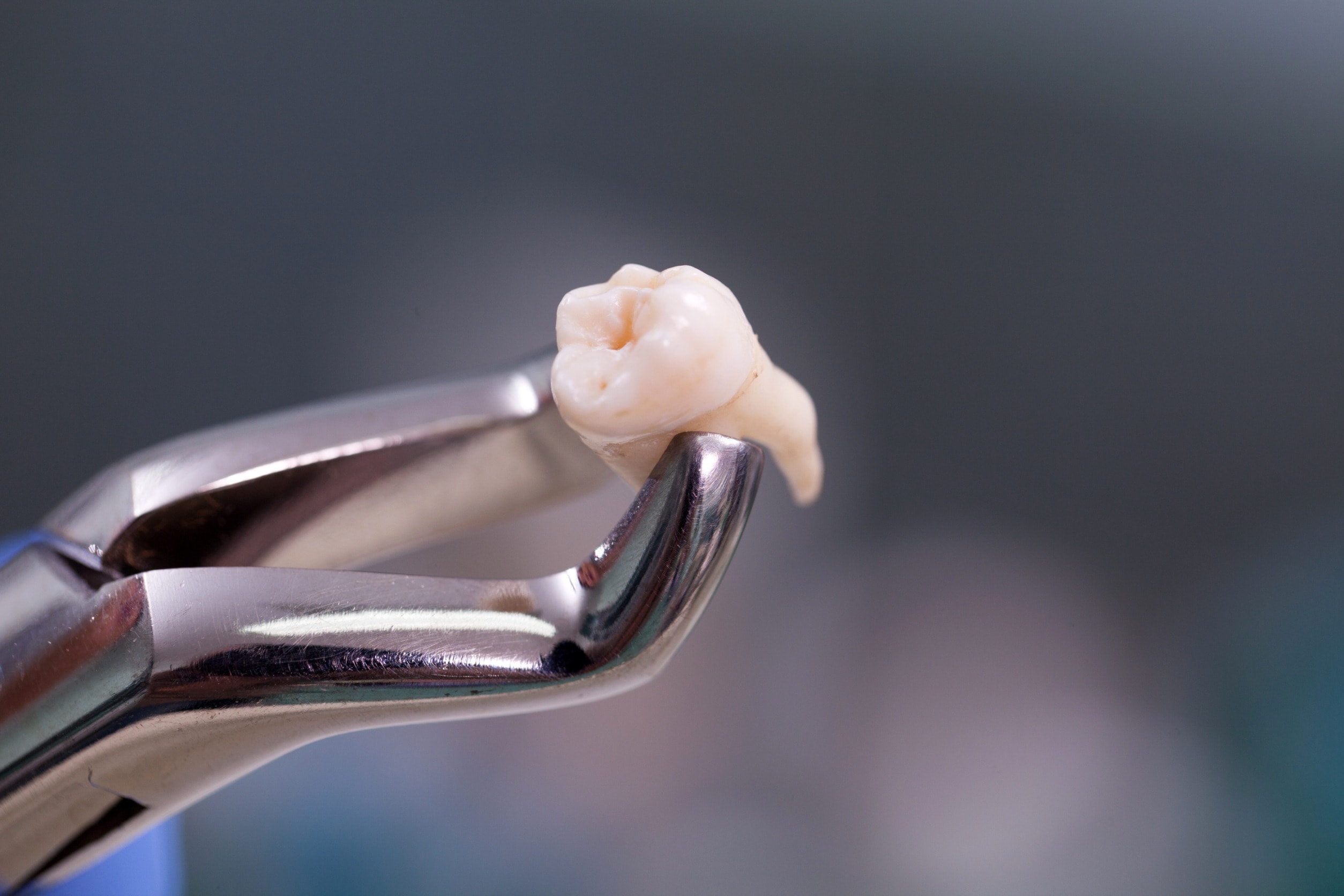
For simple extractions, dentists use specialised tools like forceps to loosen and remove the tooth carefully. Surgical extractions involve making an incision in your gums before removing bone or breaking down larger teeth into smaller pieces for easier removal. Afterwards, stitches may be used to close any incisions made during surgery.
What Are The Symptoms Of An Incomplete Tooth Extraction?
The symptoms of an incomplete tooth extraction may include persistent pain in your gums or jawbone. You might also notice swelling around this area, along with bad breath caused by trapped debris from parts of the fractured or decayed tooth remaining in its socket.
More Information
You can also see some of our guides on making a medical negligence claim:
- See how to make a medication error claim
- Get help making a doctor negligence claim
- Find out everything you need to know about cosmetic surgery claims
Or, to get further resources:
- Learn about the College of General Dentistry
- Information on wisdom tooth removal from the NHS
- Find an NHS dentist in your area
Thank you for reading our guide on claiming for a tooth extraction gone wrong.